The most reliable way to use a capable AI agent on a serious task is to have it build a workspace first — a bounded set of local files prepared for that one job — before you ask it to produce anything. Skip that step and you get fast, confident, untrustworthy output. Take it, and the same agent gives you work you can defend.
The chat window is the wrong tool
Most people still treat AI as a chat window: type a request, get an answer, copy it out. That works for small things. It breaks the moment the task depends on real source material — a contract, a board memo, a financial model — because the chat window has no organized view of the inputs. It's working from whatever you happened to paste, in whatever order, with no way to tell what's authoritative and what's stale. That's the gap where structural hallucinations creep in: confident output built on a foundation the model never actually understood.
What a Data Room is — and isn't
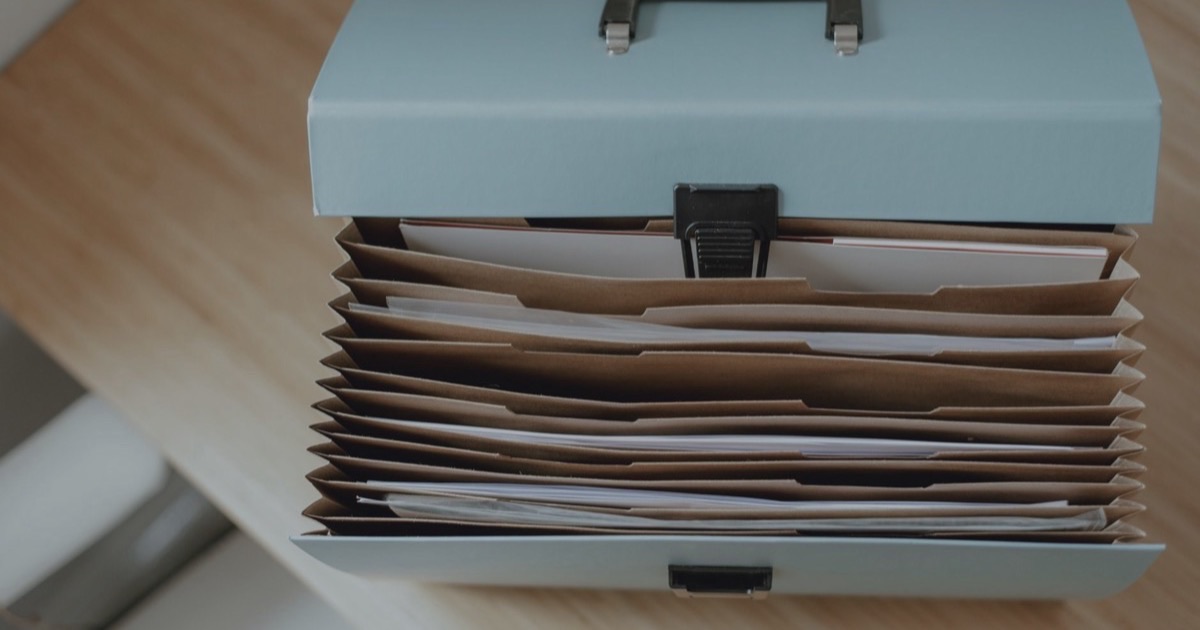
The alternative is a Data Room. The name comes from the bounded, carefully organized set of documents you'd assemble for a serious deal (the concept is borrowed from AI strategist Nate B Jones). The idea is the same: a workspace built for one job, not a sprawling "second brain" that tries to hold everything you know. A second brain is a library. A Data Room is the desk you clear to do one piece of work properly.
Why local files, and not just a bigger context window? Because the newest agents are genuinely good at file work. They can walk a folder tree, read metadata, open and compare documents, and run long, multi-step operations without losing the thread. Handing them a structured folder plays to that strength. Pasting fragments into a chat throws it away.
The agent's first job is to build the canvas
The mindset shift is the important part. The agent's first job is not to draft — it's to build the canvas. Have it find the relevant materials, keep the originals untouched, and summarize every source before it synthesizes anything. Only once the room is set up, and you've looked at what's in it, do you ask for the actual output. This is the same principle as onboarding an AI agent like a new hire: you don't hand someone a deadline before you've given them the files.
This sounds slower. In practice it's faster, because the alternative — drafting from chaos, catching errors downstream, and reworking — costs far more than ten minutes of setup. The price of disorganized inputs isn't hypothetical: Gartner puts the cost of poor data quality at an average of $12.9 million a year for the organizations it studied. A Data Room is how you stop feeding that problem into every AI task you run.
What this means for your team
Pick your next high-stakes AI task and change the first instruction. Instead of "draft the memo," say: "gather every relevant file, preserve the originals, and summarize each one — then stop." Look at what comes back.
You'll often catch a wrong assumption right there, while it's still cheap to fix — long before it would have surfaced inside a polished draft you'd already started to trust. The room comes first. The writing comes second. That order is the whole trick.